 Seeds Exporter
Quality: the lab, the sorting line and the certificates behind every lot
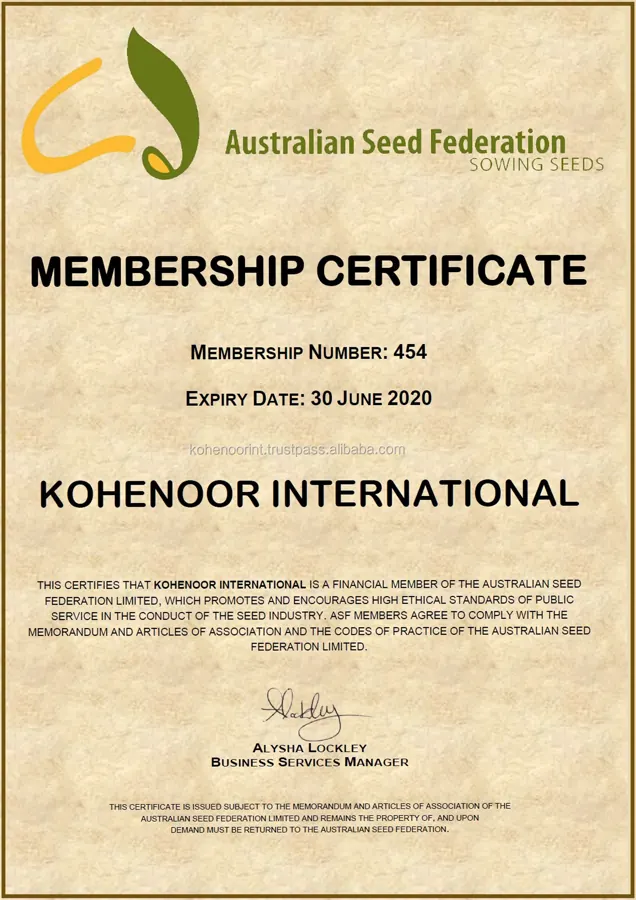
Every lot Kohenoor International exports is tested in our own laboratory to ISTA rules, cleaned on Buhler Sortex optical sorters, and traceable to the contracted grower who produced it. The system is certified to ISO 9001:2015 and HACCP, our varieties are registered with NARC, and we are a TDAP-registered exporter and a member of the Australian Seed Federation. This page shows what each of those means in practice.
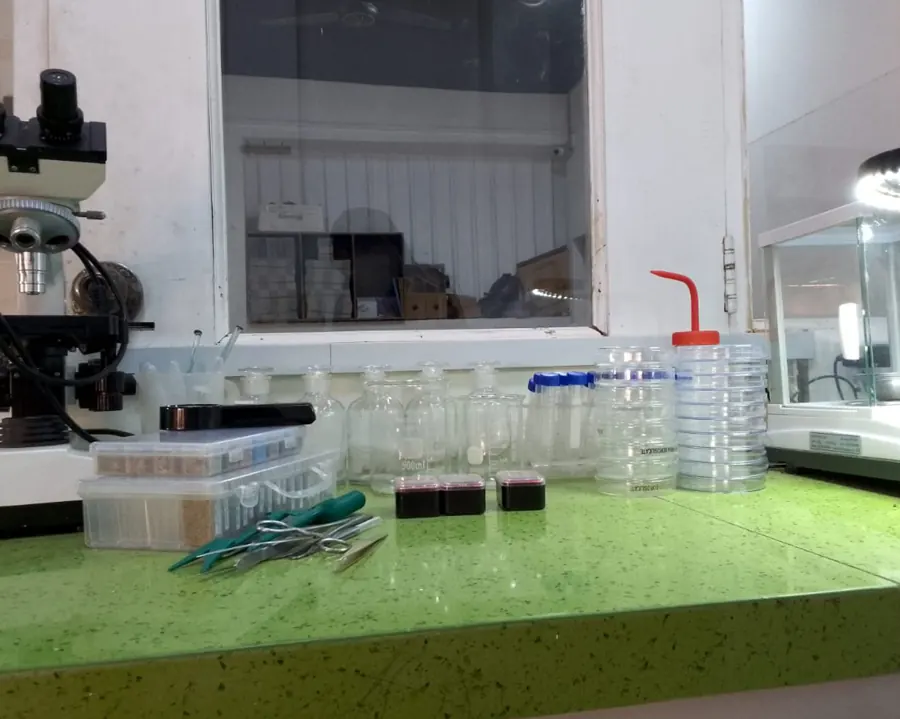
Seed testing laboratory
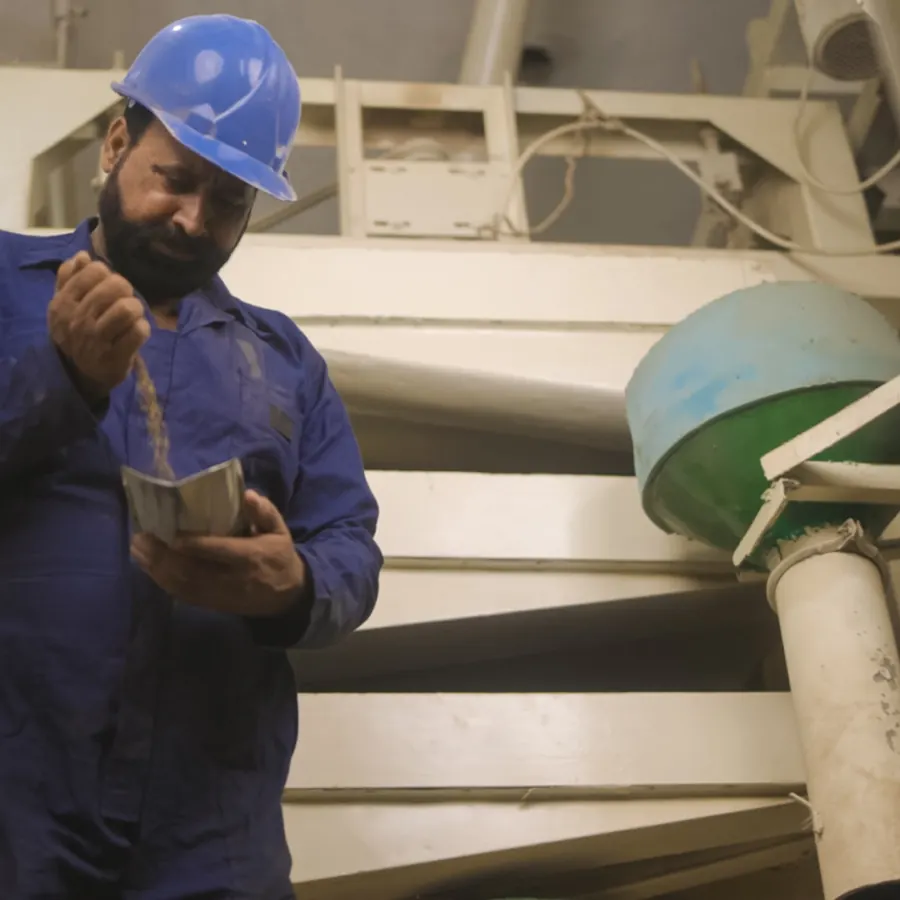
The laboratory in Hyderabad tests every export lot and every incoming grower lot. Methods follow the ISTA International Rules for Seed Testing: sampling with a stick trier from at least 10% of bags, a submitted sample of 1 kg, purity on a working sample by species, germination on 4 x 100 seeds in a controlled-temperature chamber on paper or sand for the prescribed period, moisture by oven method, thousand-seed weight, and a 500 g dodder and other-seed count for forage legumes. Results go on an ISTA-format report with the lot number, and a 1 kg sealed reference sample of every export lot is kept for 12 months.
- Purity, germination, moisture, TSW, other seed and dodder count per lot
- Germination chamber at 20/30 °C alternating, 20 °C constant as the rule requires
- Re-test before dispatch if the report is older than 90 days
- Third-party re-testing by any ISTA station accepted as reference
- Microbial testing (Salmonella, E. coli, aerobic count) for sprouting and food-grade seed via accredited lab
Buhler Sortex optical sorting
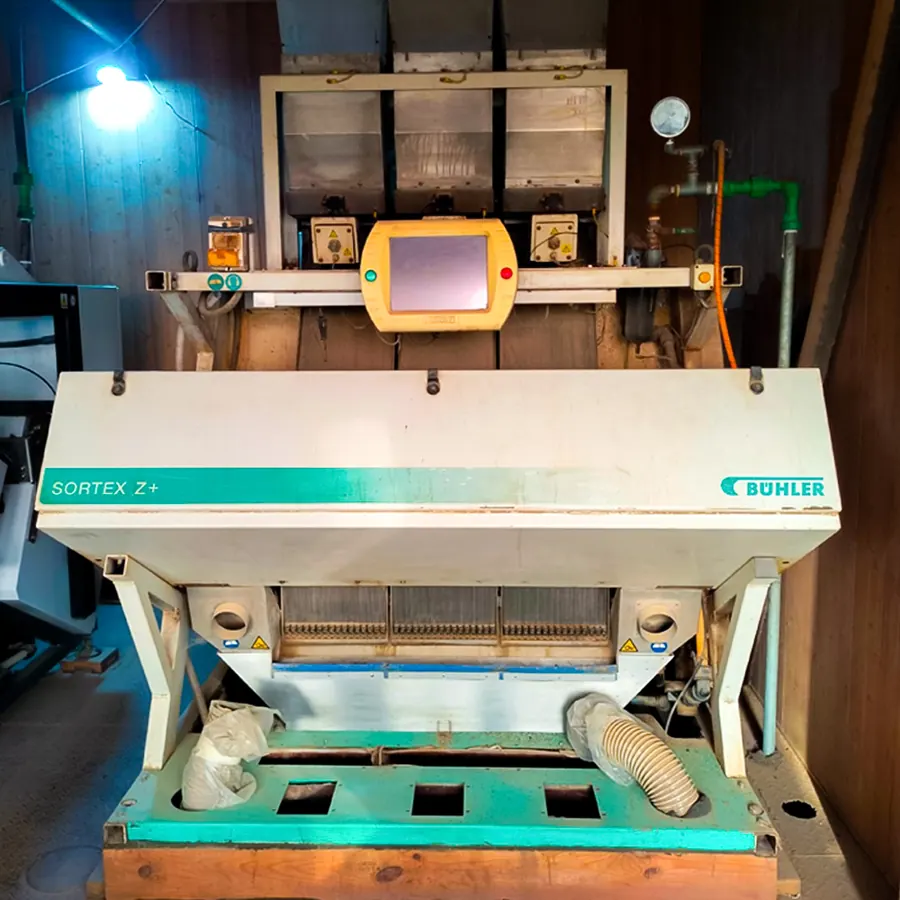
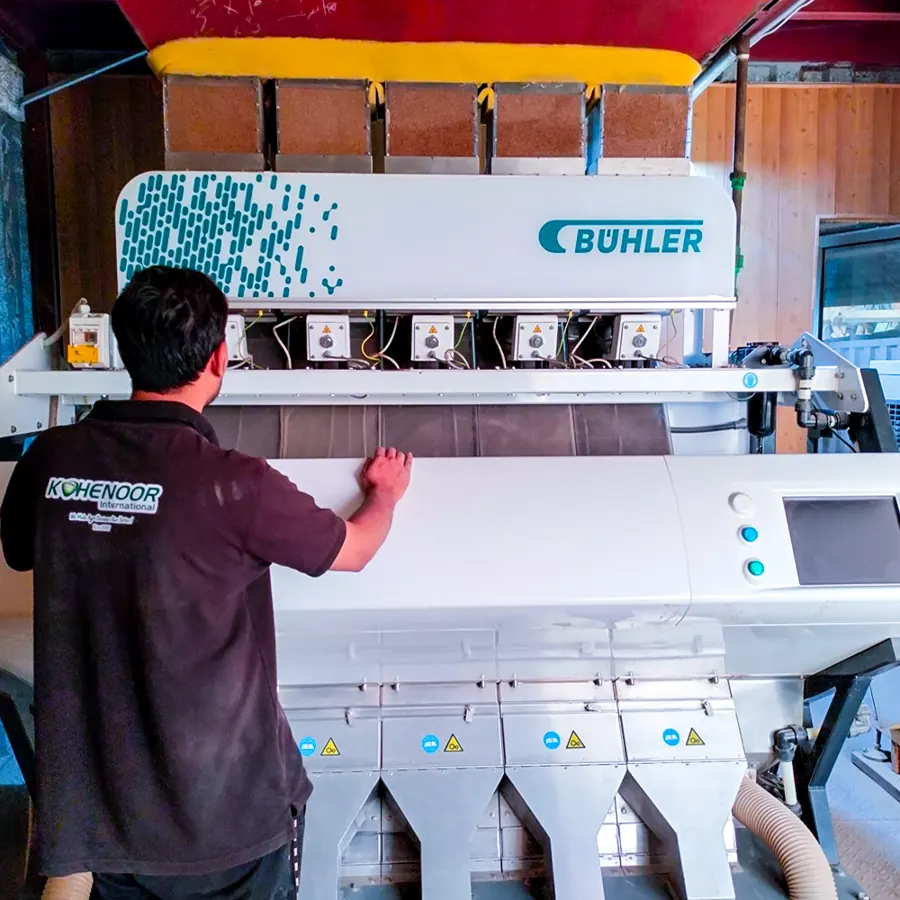
After air-screen cleaning and gravity separation, every seed lot passes over Buhler Sortex optical sorters. Cameras and ejectors remove seed by colour and shape: dodder from alfalfa and clovers, discoloured and immature seed, stones and stems from cumin and chillies. This is what takes alfalfa from 97–98% to a certified 99%+ and is the reason our forage seed can carry a nil-dodder declaration. Capacity is sized for the season peak so that new-crop lots are not held waiting for the line.
R&D and variety trials
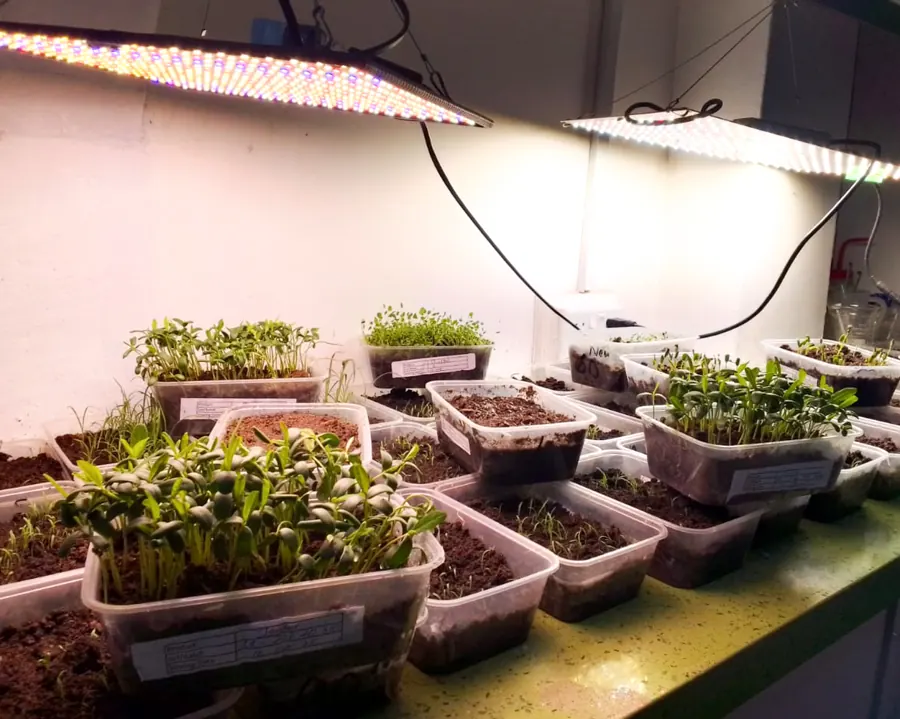
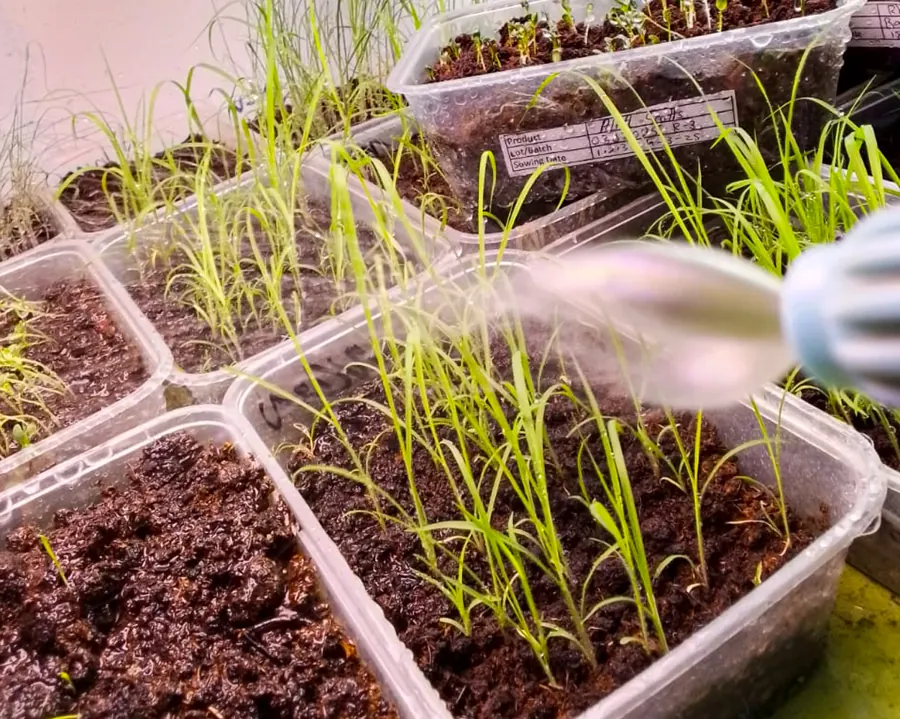
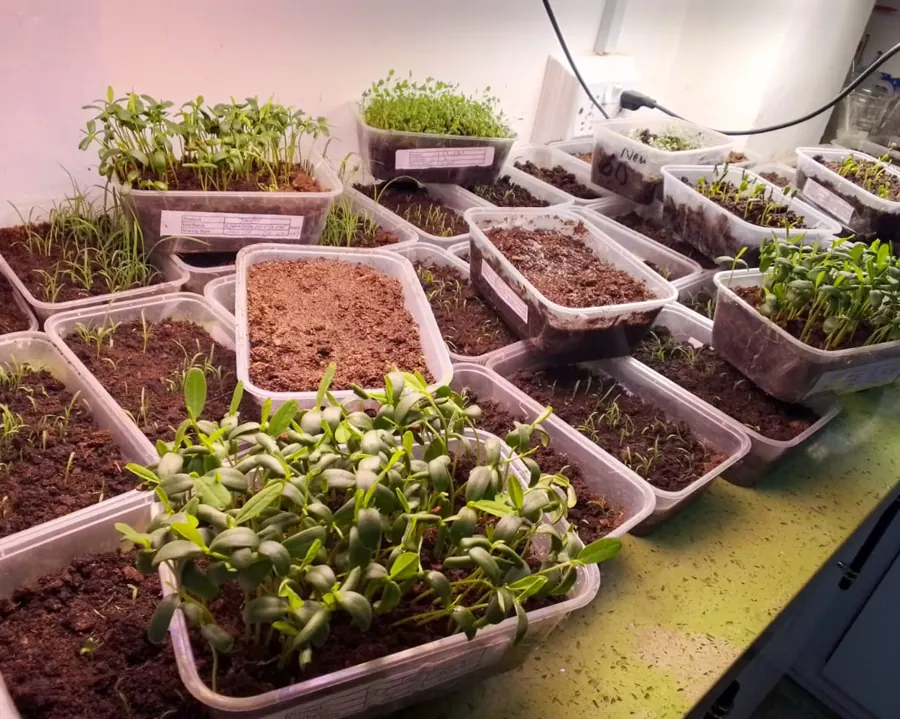
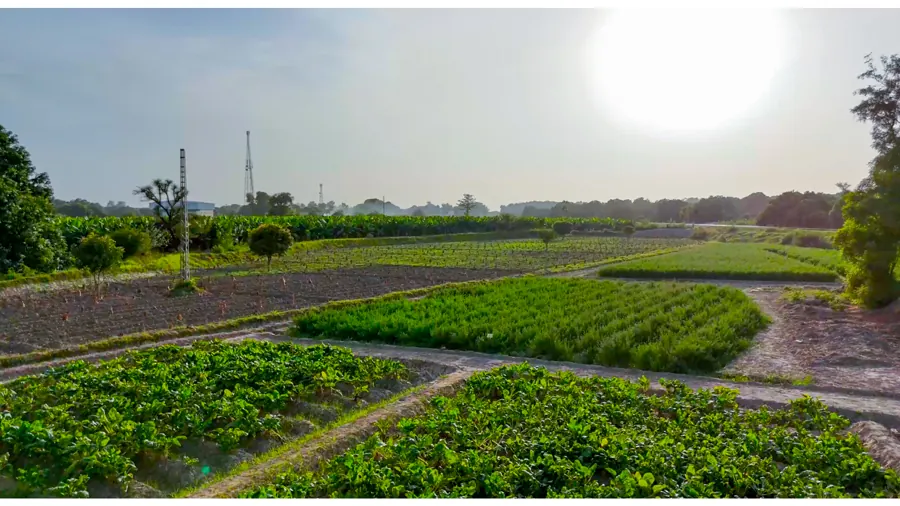
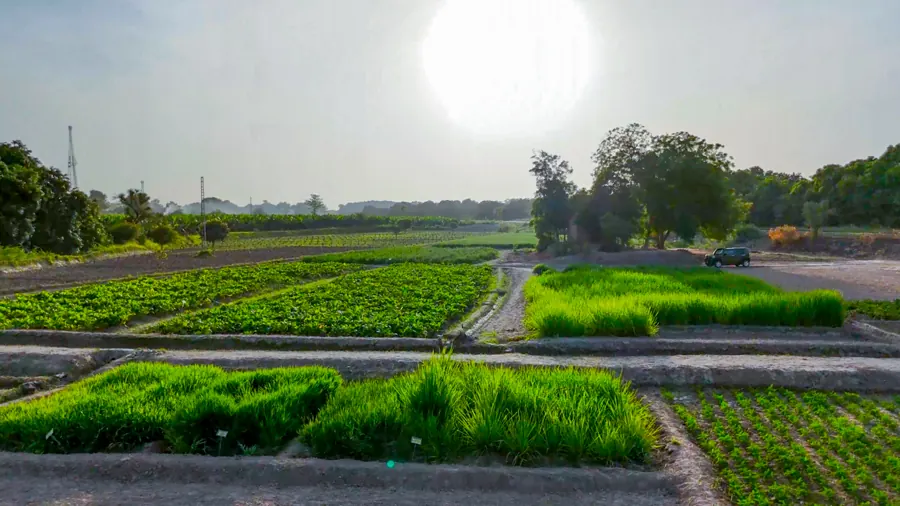
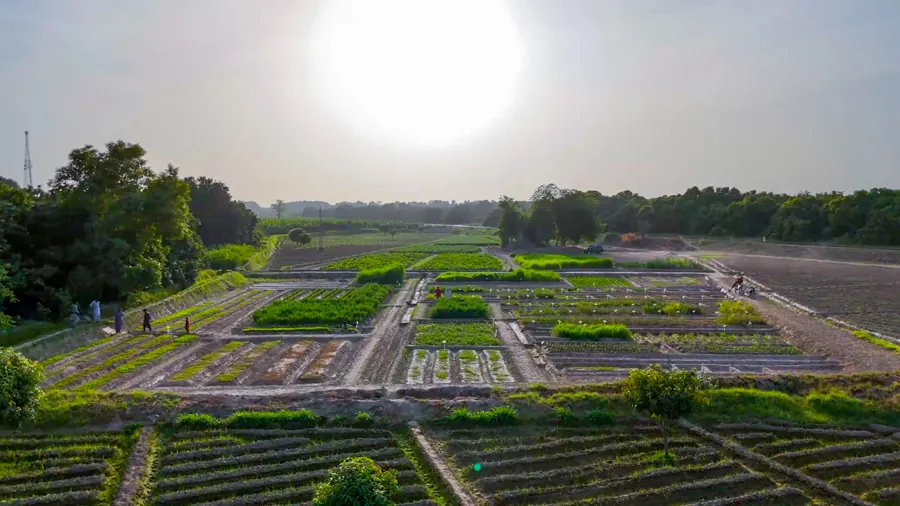
Our research plots near Hyderabad run variety trials for alfalfa (KN92, TAIZTAR), forage sorghum (BMR 313), pearl millet (Baymisaal) and guar (KN17, GumMaster), and produce the breeder and foundation seed that feeds the contract-grower programme. Trials record cuts per season, green and dry matter yield, regrowth and seed yield under Sindh conditions, which are close to those of the Gulf and Sudan. Data from the trials is published on the sister sites and used to advise buyers on sowing rates and cutting schedules.
Grower network and traceability
Seed is produced under contract with growers in Sindh and southern Punjab from foundation seed we supply. Field officers inspect for isolation distance, off-types and weeds before harvest; each grower lot is sampled and tested on intake, and kept separate through cleaning so that the export lot number traces back to the fields. The network covers 500,000+ farmers in total across all crops; seed multiplication uses the subset who meet isolation and rotation rules. Photos and history are on the about page.
Certifications and memberships
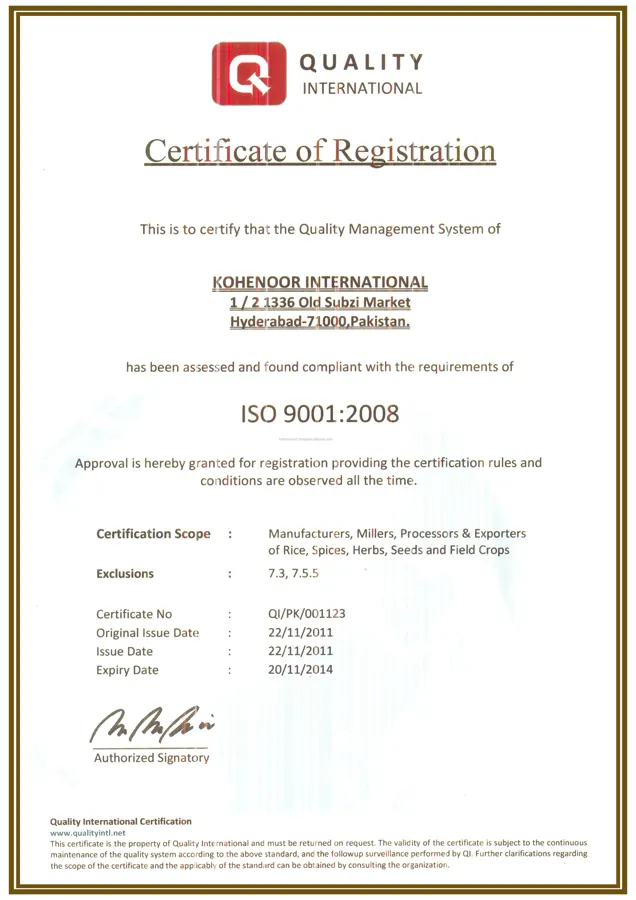
Copies of all certificates are available on request and are included in tender documentation.
| Certificate / membership | Issued by | Covers |
|---|---|---|
| ISO 9001:2015 | Accredited certification body | Quality management system for seed processing, testing and export |
| HACCP | Accredited certification body | Food safety for edible seed, spices, botanicals and salt |
| NARC variety registration | National Agricultural Research Centre, Pakistan | Registration of KN92 and other Kohenoor varieties |
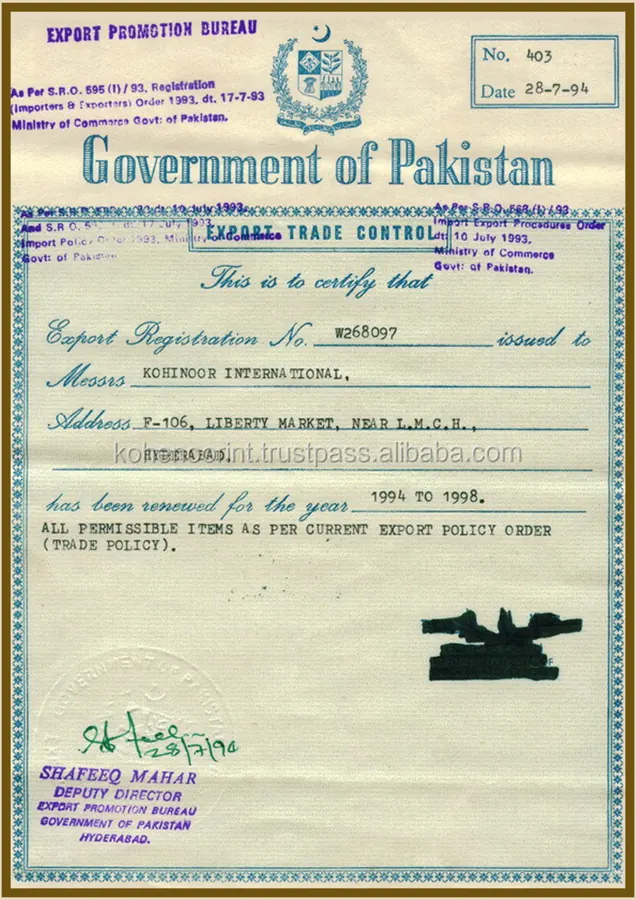
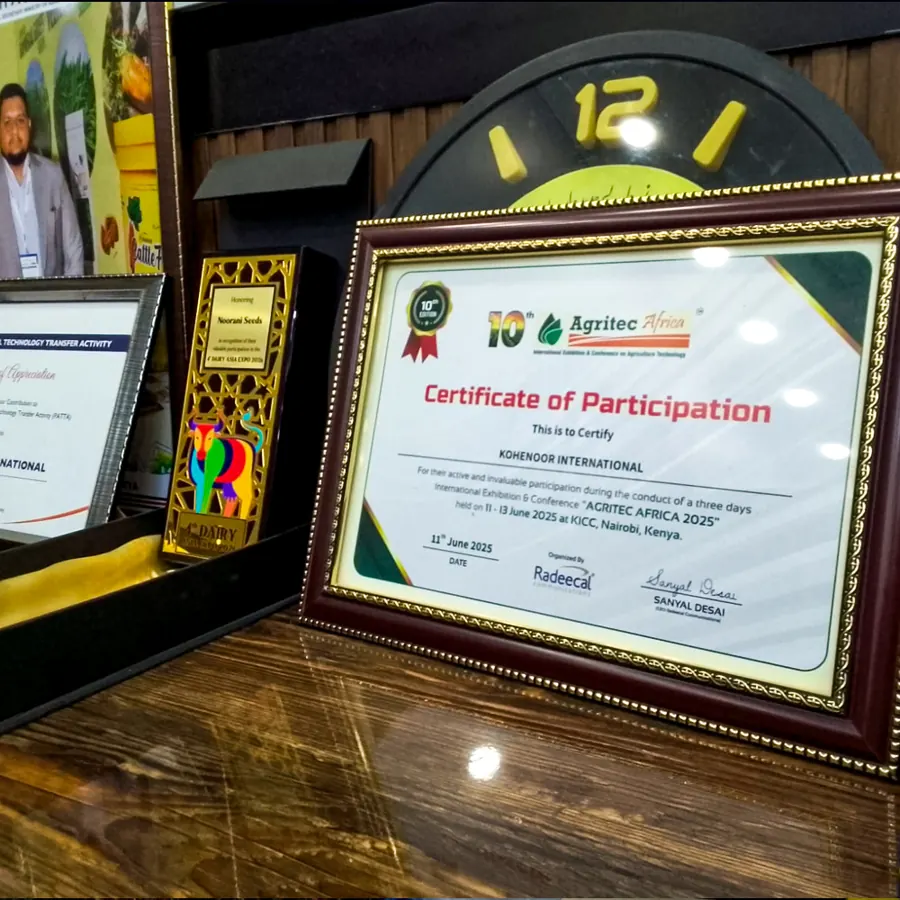
| TDAP registered exporter | Trade Development Authority of Pakistan | Export registration and trade-fair participation |
| Australian Seed Federation | ASF | Membership of the Australian seed industry body |
| Alibaba Gold Supplier | Alibaba.com | Verified supplier status since the early years of the platform |
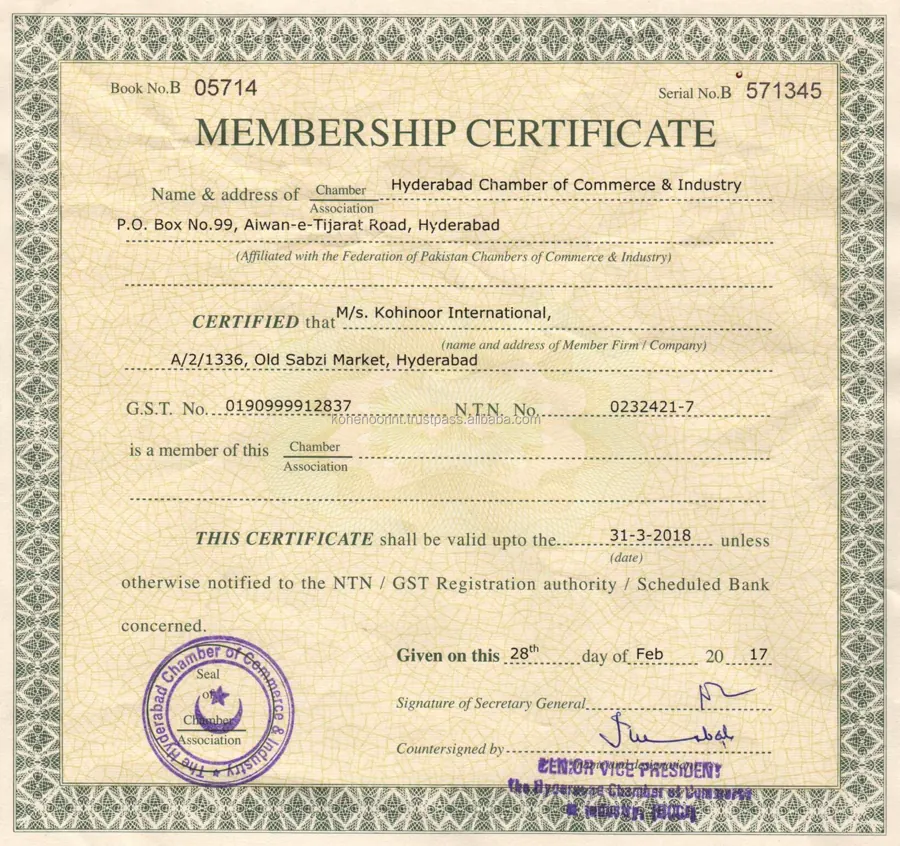
| Chamber membership | Hyderabad Chamber of Commerce and Industry | Certificate of origin issuance |
What this means for a buyer
You see the lab report before you pay; you can re-test with your own lab or NPPO; the phytosanitary certificate can carry a nil-dodder declaration because the seed has been optically sorted; and the lot on the certificate is the lot in the container, traceable to the fields that grew it. If you want to verify, visit Hyderabad or send SGS, Bureau Veritas, Intertek or Cotecna to sample at loading. The documents guide explains each certificate and the import guide shows where inspection fits in the timeline.
Frequently asked questions
Is Kohenoor's laboratory ISTA accredited?
The laboratory works to ISTA rules and issues ISTA-format reports under our ISO 9001:2015 system; it is not an ISTA-accredited station and does not issue Orange International Certificates. When a buyer needs an Orange certificate we arrange sampling and testing at an accredited station.
How do you guarantee alfalfa seed is free of dodder?
Three ways: field inspection of contract growers before harvest, Buhler Sortex optical sorting of every lot, and a 500 g dodder count in the lab. A lot with any dodder found is re-sorted or rejected for export.
Can I send a third-party inspector?
Yes. SGS, Bureau Veritas, Intertek and Cotecna all have Karachi offices and sample at our warehouse. Pre-shipment inspection is standard for Iraq and available to any buyer at cost.
Which certifications does Kohenoor hold?
ISO 9001:2015, HACCP, NARC variety registration, TDAP registered exporter status, Australian Seed Federation membership and Alibaba Gold Supplier status. Copies are supplied with quotations on request.
Get today's FOB rate
Tell us the product, quantity and destination port. The export desk replies within 24 hours with price, MOQ, documents and transit time.
export@kohenoorint.com · +92 310 4929292 · Reply within 24 hours