 Seeds Exporter
Forage seed exporter: eleven fodder crops for dairy and livestock importers
Kohenoor International exports eleven forage seed lines from Pakistan to dairy, camel and livestock operations in the Gulf, Africa, South-East Asia, Latin America and Central Asia: alfalfa (KN92, TAIZTAR), rhodes grass, Panicum (Mombasa / Protein Grass), Brachiaria (Velvet Grass), forage sorghum and Sudan grass (BMR 313), Johnson grass, berseem clover, Persian clover, annual ryegrass, hybrid pearl millet (Baymisaal) and sesbania. Legumes and temperate grasses at 98–99% purity and 80–90% germination; tropical grasses at the trade standards for dormant seed (Panicum 95% / 70%, Brachiaria 90% / 60%, Johnson grass 95% / 75%). ISTA-format test report and DPP phytosanitary certificate with each container, quotes in 24 hours.
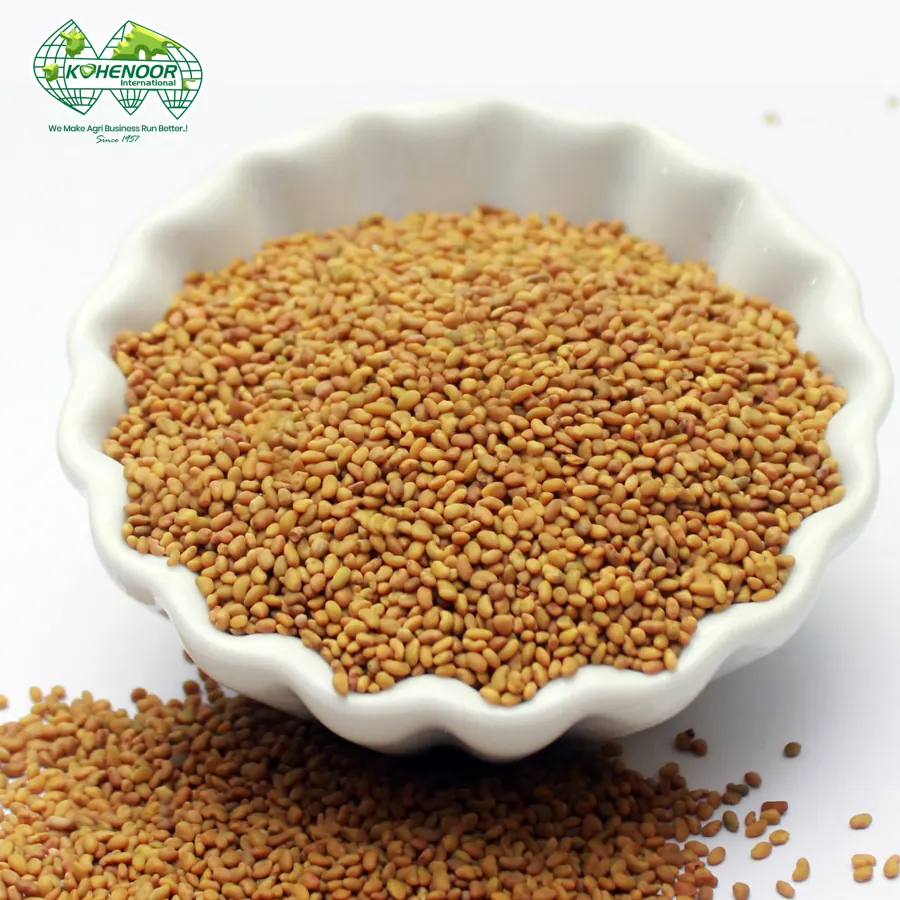
Why Pakistani forage seed suits hot, irrigated systems
Pakistan's Indus plain has the same summer heat, alkaline soils and irrigation-dependent agronomy as the Gulf, Sudan, Egypt and the Central Asian oases. Varieties selected here are non-dormant, salt-tolerant and bred for multi-cut regrowth under 40 °C, which is why KN92 alfalfa, Katambora rhodes and BMR 313 sorghum perform in Al Ain, Al Kharj and Gezira without the adaptation losses of temperate seed. Proximity matters too: 5–12 days to Gulf ports and 2–5 days by road to Afghanistan means seed can be ordered against a sowing date rather than months ahead.
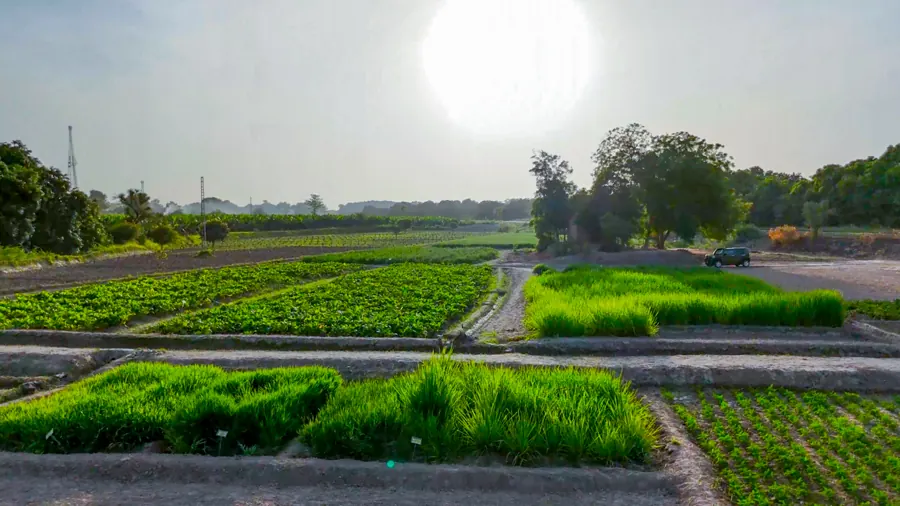
The eleven forage lines
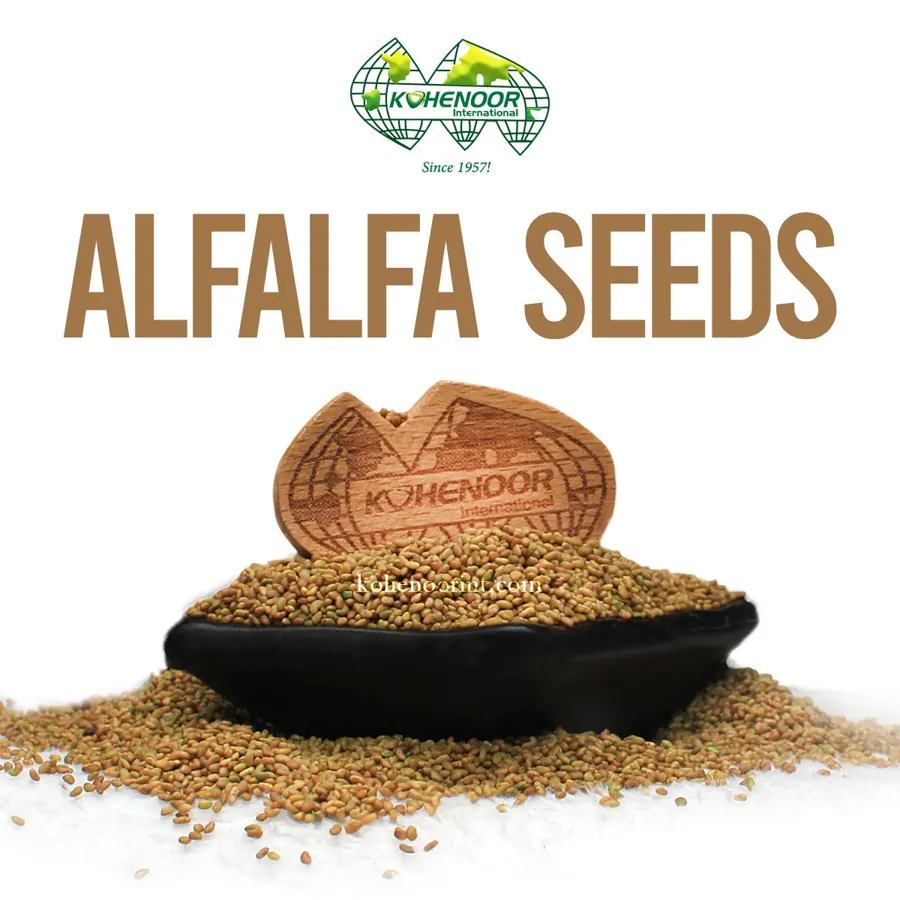
Alfalfa (Lucerne) Seed
KN92 and TAIZTAR, 99% purity, 85% germination. Non-dormant dairy forage seed for the Gulf, Africa and Central Asia.
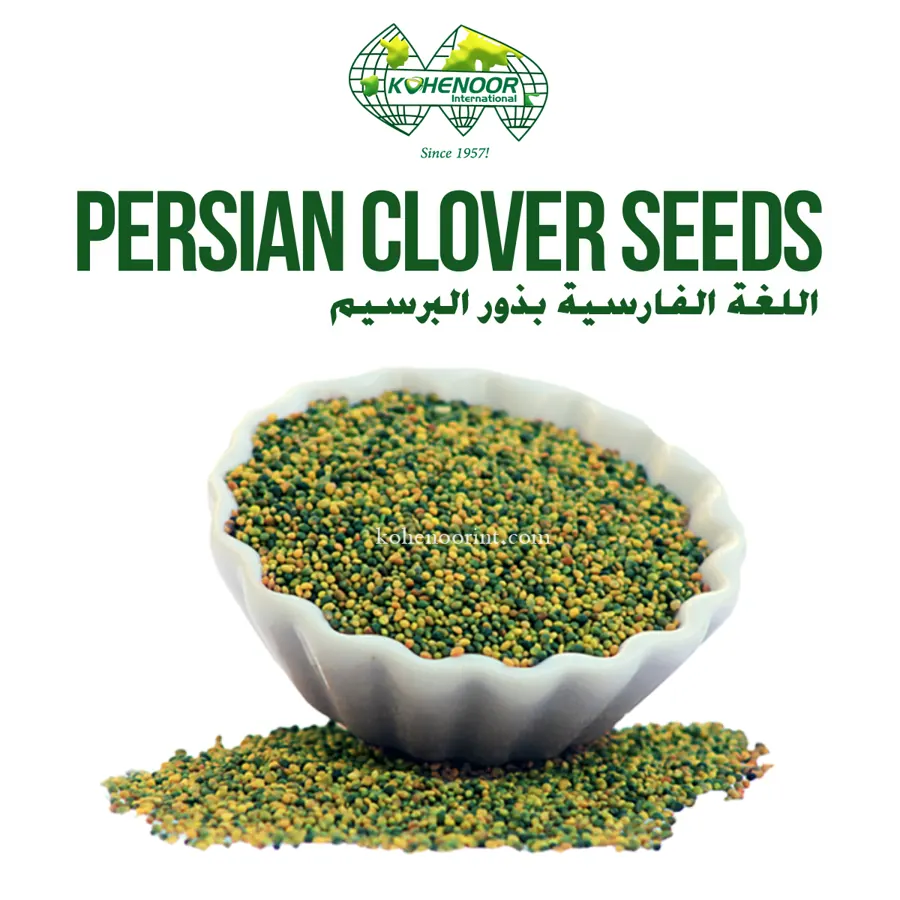
Berseem Clover Seed
Mescavi-type Egyptian clover, 99% purity, 85% germination. Multi-cut winter forage for the Middle East, North Africa and South Asia.
Persian Clover Seed
Shaftal (Trifolium resupinatum), 99% purity, 85% germination. Cold-tolerant winter forage for Iran, Afghanistan, Iraq and Türkiye.
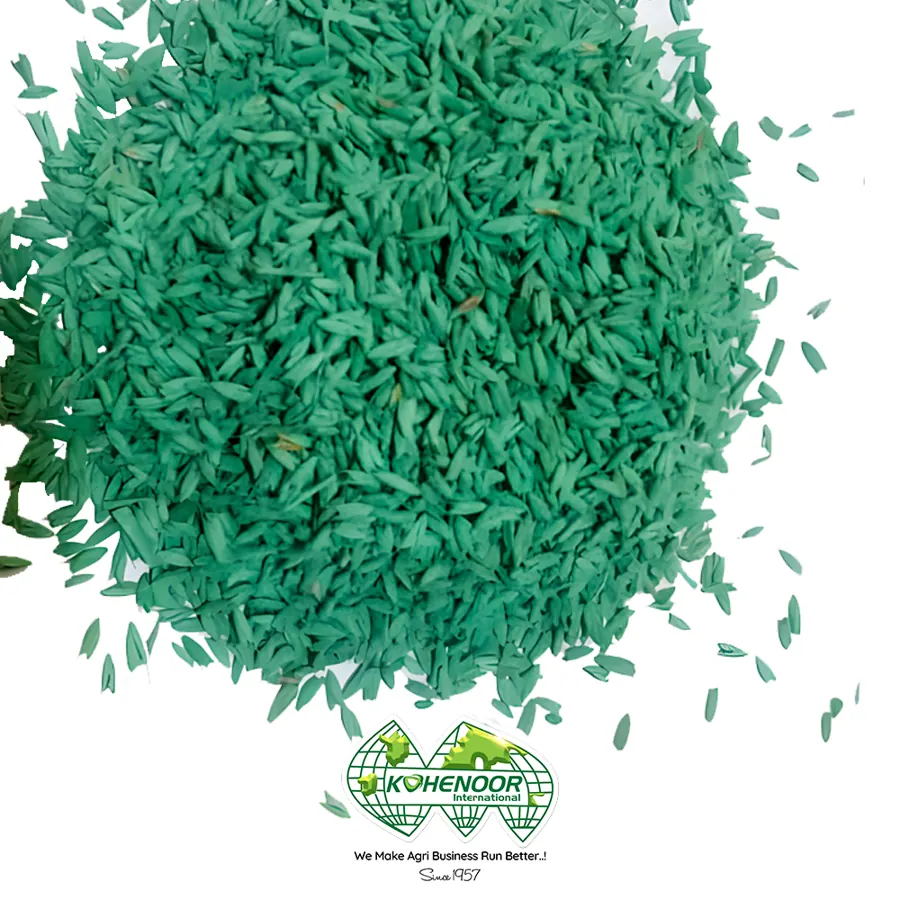
Rhodes Grass Seed
Fine-cut and Katambora types, de-awned, 98% purity, 80% germination. Hay and pasture grass for the Gulf, East Africa and South-East Asia.
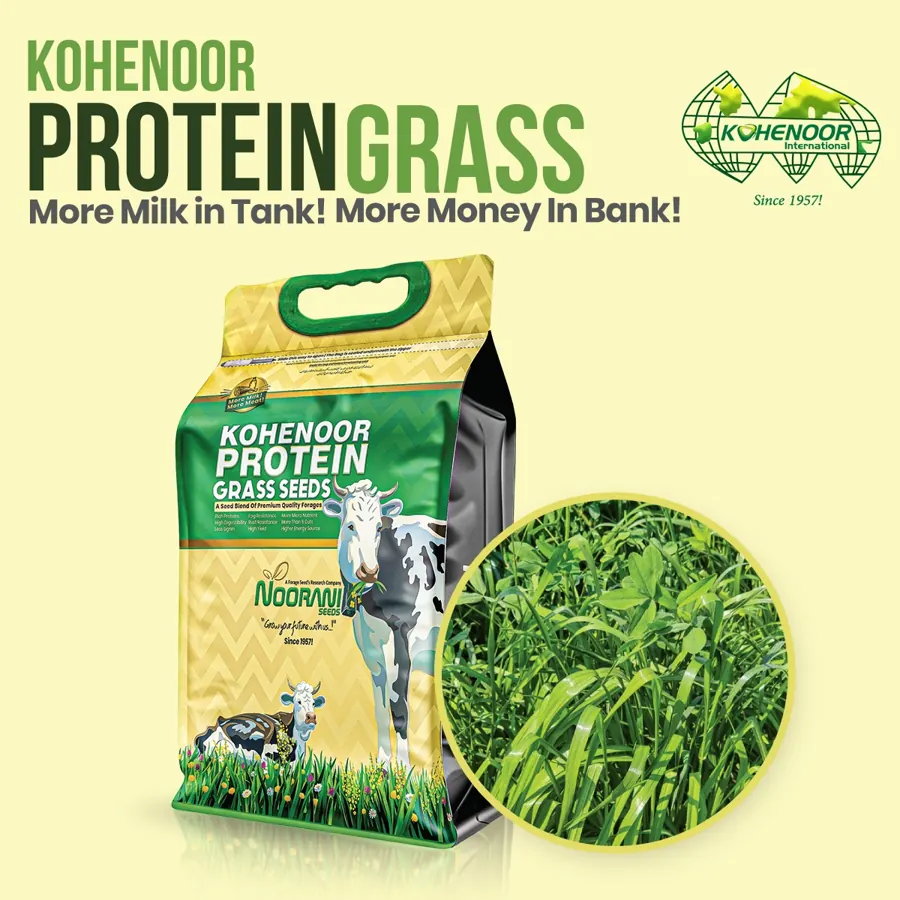
Sorghum & Sudan Grass Seed
BMR 313 forage hybrid, grain, sweet and Sudan grass. 98% purity, 85% germination. Summer silage, green chop and grain.
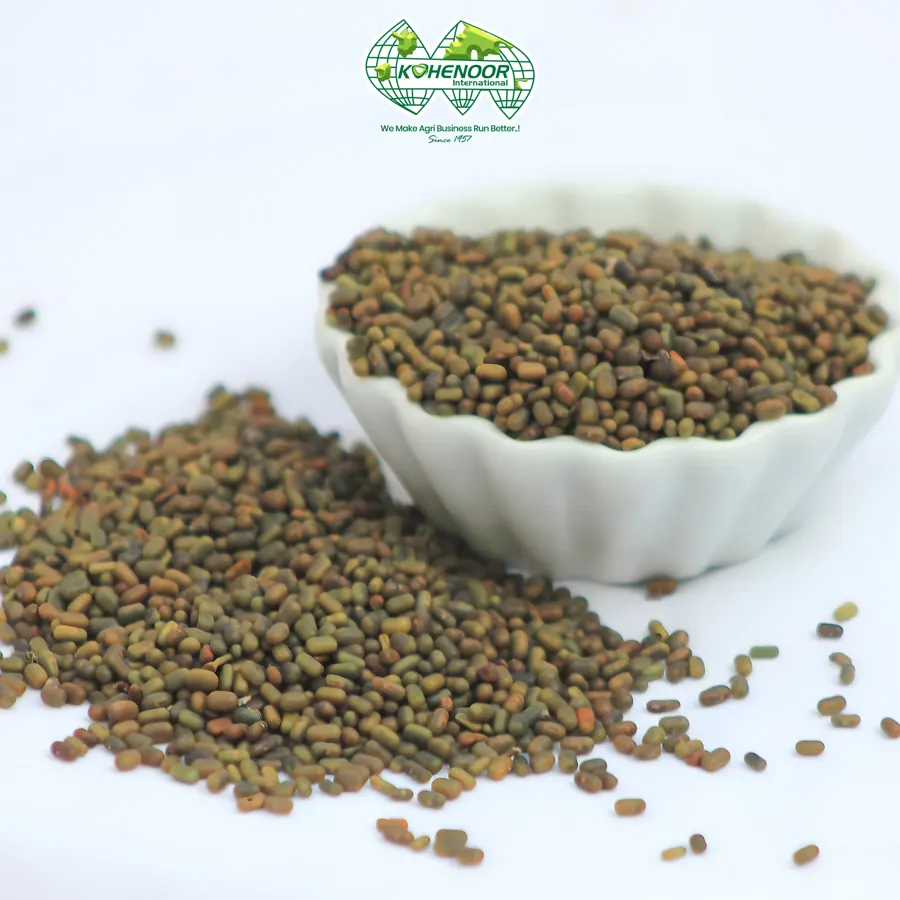
Sesbania Seed
Dhaincha (Sesbania sesban / aculeata), 98% purity, 90% germination. Green manure, saline-soil reclamation and fodder.
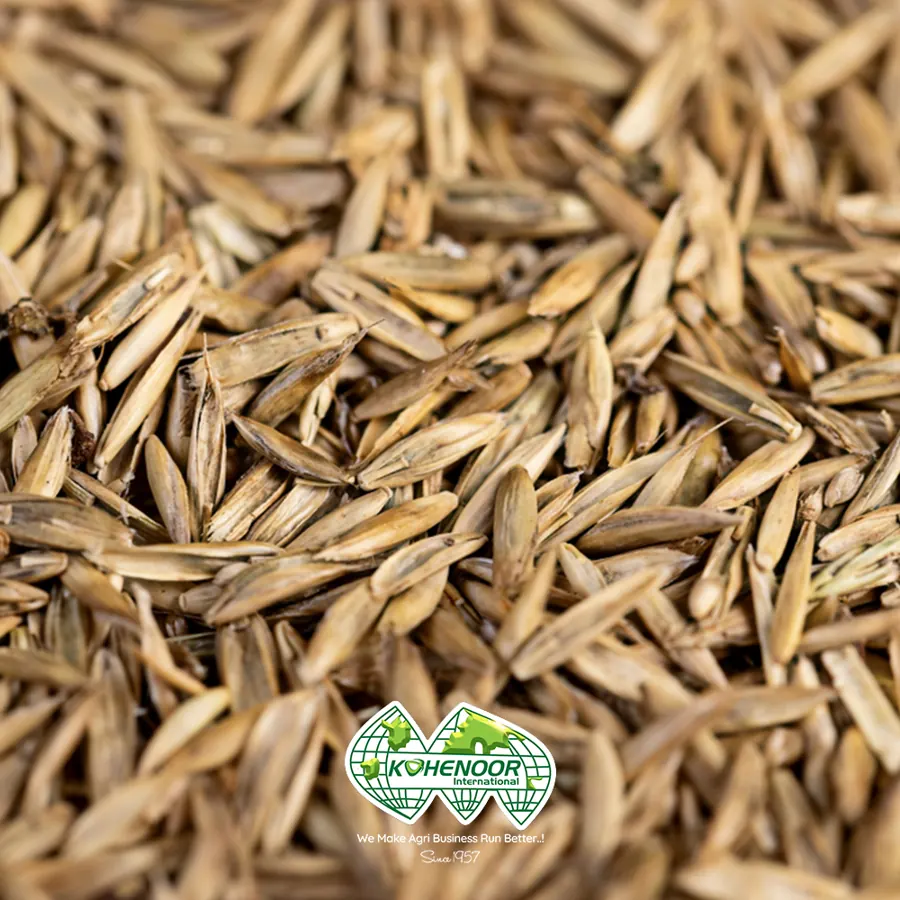
Ryegrass Seed
Annual / Italian ryegrass (Lolium multiflorum), tetraploid, endophyte-free, 98% purity, 85% germination. Winter pasture for Iran, Türkiye and Central Asia.
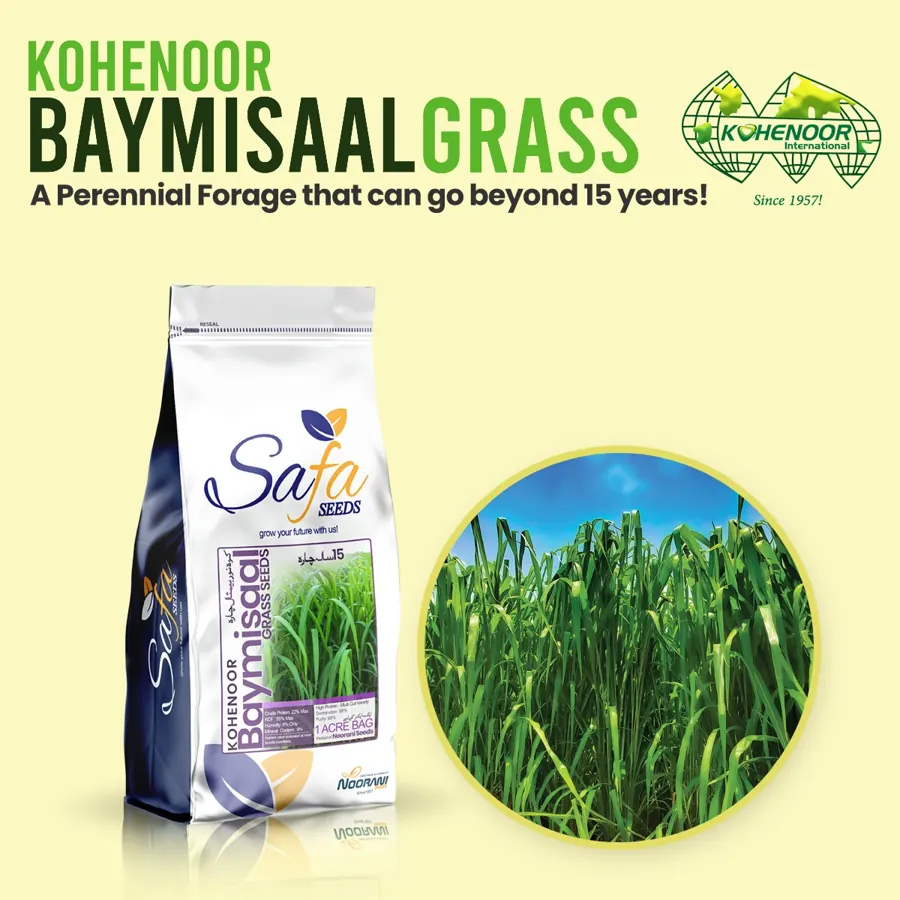
Hybrid Pearl Millet (Baymisaal)
Baymisaal multi-cut forage hybrid, 98% purity, 85% germination, no prussic acid. Summer fodder for East Africa, the Sahel and the Gulf.
Panicum (Guinea / Mombasa Grass) Seed
Megathyrsus maximus Mombasa and Tanzania types, 95% purity, 70% germination. High-yield tropical cut-and-carry and grazing grass; 5–6 MT per 20ft.
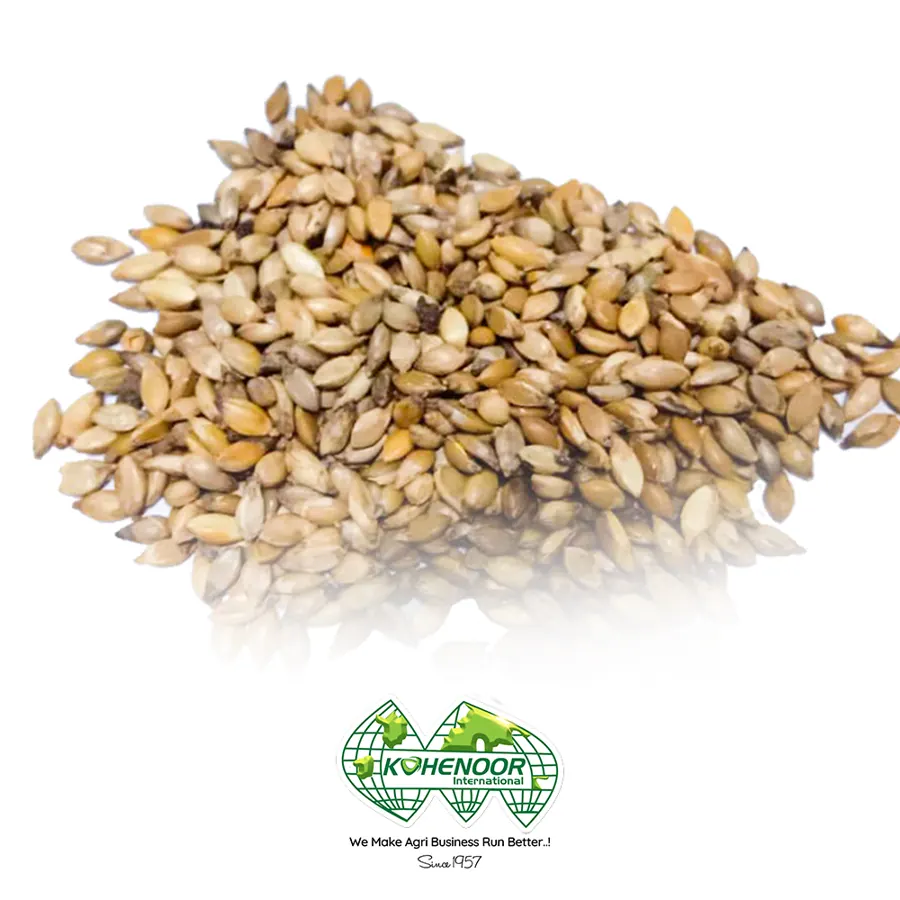
Brachiaria (Signal / Ruzi / Mulato type) Seed
Urochloa ruziziensis, brizantha type and Kohenoor Velvet Grass, 90% purity, 60% germination. Persistent pasture for acid and low-fertility tropical soils.
Johnson Grass (Sorghum halepense) Seed
Sorghum halepense perennial forage type, 95% purity, 75% germination. Perennial hay and managed grazing for Iraq, Iran, Sudan, Egypt and Central Asia; restricted in USA and Australia.
Choosing by system and season
| Need | Recommended seed | Sow | Cuts / yield |
|---|---|---|---|
| Year-round dairy green chop, Gulf | Alfalfa KN92 under pivot | Oct–Nov | 8–10 cuts, 20–25 t DM/ha |
| Baled hay for camels and horses | Rhodes grass fine-cut | Mar–Apr or Sep–Oct | 6–8 cuts, 15–20 t DM/ha |
| Summer fodder gap, Gulf and Sudan | Forage sorghum BMR 313 or Baymisaal pearl millet | Mar–Apr | 3–4 cuts, 60–70 t green/ha |
| Winter fodder, Iraq / Egypt / North Africa | Berseem clover Mescavi type | Oct–Nov | 5–6 cuts, 60–80 t green/ha |
| Winter fodder, cold plateaus (Iran, Afghanistan, Türkiye) | Persian clover + annual ryegrass | Oct | 3–4 cuts each |
| Saline or waterlogged land, reclamation | Sesbania (dhaincha), rhodes grass | Mar–Jul | 80–120 kg N/ha fixed; 40–50 t green/ha |
| Drought-prone rangeland, East Africa / Sahel | Sorghum, pearl millet, rhodes grass | With rains | Grain plus stover, or 2–3 cuts |
| Zero-grazing dairy, humid tropics (East Africa, SE Asia) | Panicum Mombasa, Brachiaria ruziziensis | Start of rains, soil > 20 °C | 6–8 cuts, 20–30 t DM/ha (Panicum) |
| Acid, low-fertility ranch land (Brazil, Mexico, savannah) | Brachiaria brizantha type | Start of rains | Permanent pasture, 12–20 t DM/ha |
| Perennial low-input hay, Iraq / Iran / Central Asia | Johnson grass (where permitted) | Mar–May | 4–5 cuts/yr for 3–5 years |
Specification and testing
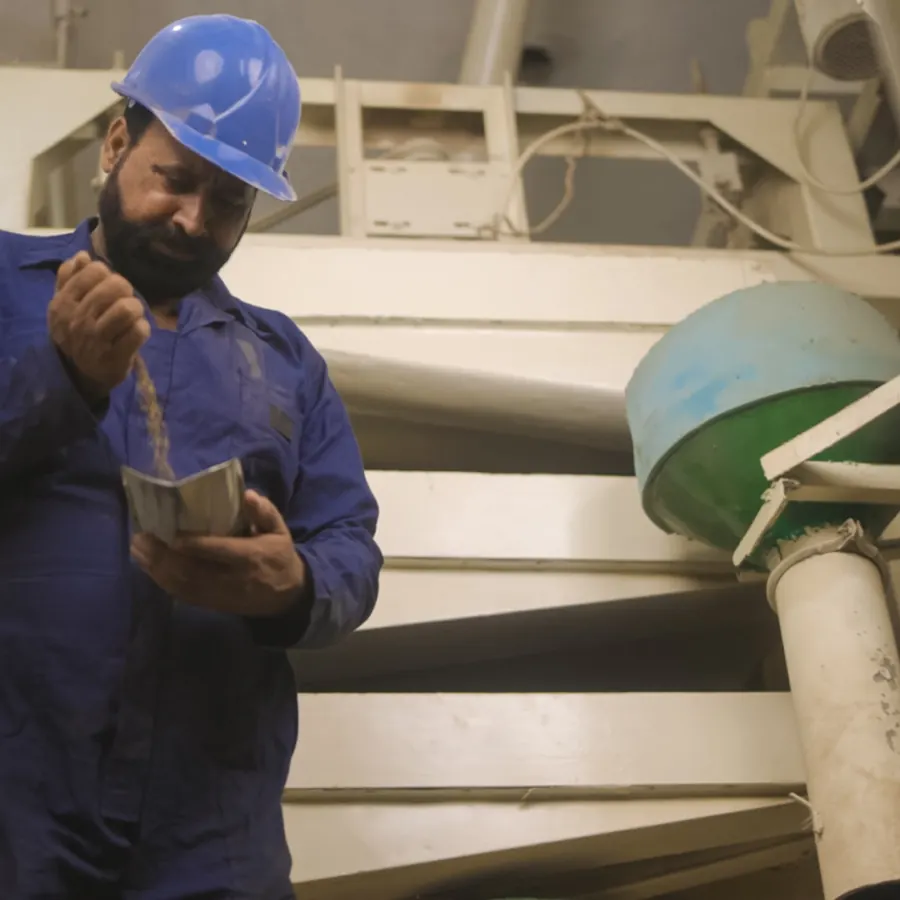
Legume and temperate grass seed is supplied at 98–99% purity and 80–90% germination depending on species, moisture 10–11% max, dodder nil, other crop and weed seed 0.5% max. Tropical grasses (Panicum, Brachiaria) are naturally dormant and fluffy, so they are rested past dormancy, reported with inert matter stated separately and a tetrazolium viability on request, at 95% / 70% and 90% / 60%; Johnson grass at 95% / 75%. Every lot passes Buhler Sortex optical sorting and is tested to ISTA rules in our laboratory; prior-crop lots are re-tested before dispatch. Fungicide seed treatment is available for sorghum and millet. The quality page describes the lab and sorting line.
Packing, containers and seasons
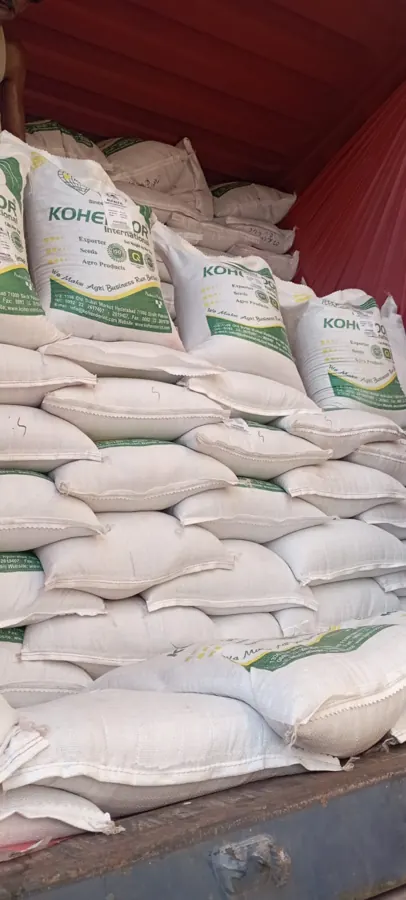
25 kg lined PP bags as standard, 50 kg for government programmes; 18–20 MT alfalfa, clover, sorghum, Johnson grass, millet or sesbania per 20ft, 12–14 MT rhodes grass, 10–12 MT Brachiaria and only 5–6 MT Panicum (light seed; 40ft HC recommended for all three grasses). New-crop winter legumes and ryegrass ship from June, summer crops from November; see the availability calendar and loading guide. Mixed containers with 2 MT minimum per product are common for dairy farms that sow alfalfa, rhodes and sorghum in one season.
Markets and documents
Main forage markets are the UAE, Saudi Arabia, Oman, Qatar, Kuwait, Bahrain, Iraq, Jordan, Egypt, Sudan, Libya, Tunisia, Morocco, Algeria, Kenya, Ethiopia, Uganda, Tanzania, South Africa, Nigeria, Chad, Iran, Afghanistan, Uzbekistan, Kazakhstan, Tajikistan, Turkmenistan, Türkiye and Russia, plus Vietnam, Thailand, Malaysia, Indonesia and Bangladesh. Each ships with a phytosanitary certificate carrying the importer's additional-declaration wording, a certificate of origin and the ISTA-format report; pre-shipment inspection for Iraq and fumigation where required. Country requirements are on the markets pages; pricing logic on prices and MOQ.
Frequently asked questions
Which alfalfa variety is best for the Gulf?
KN92, a non-dormant (class 8–9) variety with fast regrowth that gives 8–10 cuts a year under pivot irrigation in the UAE and Saudi Arabia. TAIZTAR suits hay producers who want more bulk per cut.
Can you supply a full forage programme for a new dairy farm?
Yes. A typical first container for a Gulf dairy is 10 MT alfalfa, 5 MT rhodes grass and 3–5 MT forage sorghum, sown in sequence over the year. We advise sowing rates and cutting schedules from our trial data.
What germination do you guarantee on forage seed?
85% for alfalfa, berseem, Persian clover, sorghum, ryegrass and pearl millet; 80% for rhodes grass; 90% for sesbania. Each lot is tested to ISTA rules and the report goes to the buyer before payment.
Do you ship forage seed to Africa?
Yes: Sudan, Egypt, Libya, Tunisia, Morocco, Algeria, Kenya, Ethiopia, Uganda, Tanzania, South Africa, Nigeria and Chad. Import permits from the national plant-quarantine authority are needed before loading; transit is 10–35 days.
Is the seed treated?
Forage legumes and grasses are supplied untreated. Sorghum and pearl millet can be treated with Thiram or Carbendazim on request, stated on the certificate. Untreated is the default because several importing countries restrict treated seed.
Which tropical grass should I choose: Panicum, Brachiaria or Rhodes?
Panicum (Mombasa) gives the highest yield on fertile, well-drained soil for cut-and-carry; Brachiaria persists on acid, low-fertility soils and under heavy grazing; Rhodes grass tolerates salinity and makes the best hay. Johnson grass is a perennial low-input option only where the importing country permits Sorghum halepense (not the USA, Australia or Canada).
Get today's FOB rate
Tell us the product, quantity and destination port. The export desk replies within 24 hours with price, MOQ, documents and transit time.
export@kohenoorint.com · +92 310 4929292 · Reply within 24 hours